 Spain
Spain Mexico
 Brazil
 Poland
 Taiwan
 Philippines
 South Korea
The essentials
- Prefer the verified route that makes your existing assets spendable with fewer transfers and lower total TWD cost.
- USD card billing alone does not remove funding charges; keep unplanned borrowing out of the comparison.
- Complete a modest deposit and necessary purchase, then save the settled debit before moving recurring spending.
Start with your actual balance
Imagine a Taipei designer who receives USDC from overseas clients and a Taichung employee who would buy USDT with a TWD salary. Their first comparison should list the money already available, its network and the steps needed to make it spendable. The same card can create very different funding costs for these two people.
For ether.fi, distinguish Direct Pay from Borrow before comparing rewards. Direct Pay spends eligible Vault balances; Borrow introduces a loan. For RedotPay, inspect your intended balance-funded setup and current app options instead of assuming every product under the brand works identically. Neither choice should depend on having to activate borrowing you did not plan to use.
Compare two real payment jobs
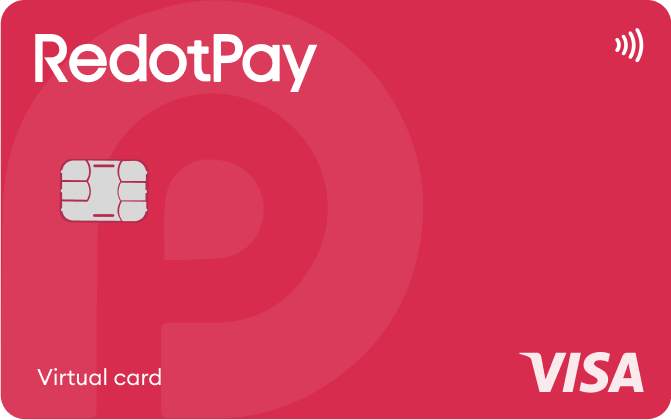
Use one USD software invoice and one planned TWD purchase as separate rows. New RedotPay cards settle in USD; an older account should check its card currency. A USD invoice therefore presents a different currency path from a TWD checkout. Matching the invoice currency does not, by itself, remove funding costs or every applicable transaction charge.
Price the entire route in TWD: asset purchase if needed, exchange withdrawal, any swap, card issuance and the settled transaction. Allocate a shared transfer fee across the purchases it funds. A route requiring fewer transfers can be easier to repeat, but verify that it actually serves the merchants and payment methods in your monthly routine.

Choose after one complete cycle
Before paying an issuance or membership fee, write down what would make each candidate worthwhile. For the designer, that might be spending existing USDC without an extra swap. For the employee, it might be predictable TWD costs. Leave an unverified feature blank instead of assigning it a cash value based on a promotional headline.
Complete a modest deposit and a necessary purchase, then inspect the final entry and remaining balance. Save the funding reference alongside the receipt so you can repeat the route next month. If the steps or costs remain unclear, ask a precise support question before moving recurring household spending onto the card. Keep your existing payment route available during this comparison.
- Record asset, network, spending mode and card currency.
- Compare final TWD cost with your existing card.
- Keep the winning route only if it is repeatable.
Compare the cards in this story
| CARD PROFILE | Rewards · first band | Foreign-currency fee | Maintenance / subscription |
|---|---|---|---|
| ether.fi Cash Core | 3% on first $2,000/month eligible spend | Base FX ~1% + 0–0.5% margin | Membership $0/year; issuance, shipping and usage costs separate |
| ether.fi Cash Core · Core entry tier. Standard monthly spend earns 1% after $2,000 and 0.5% after $3,000; EUR bands differ. | |||
| RedotPay Virtual | Standard cashback unspecified; Pro separate | Check purchase FX in app; ATM rate is separate | Card $0/year; optional Pro and personal funding-account fees separate |
| RedotPay Virtual · Issuance payment is not spending balance. Purchase FX could not be reverified from the readable public fee page. | |||
Fee and reward sources
Core · Membership ↗Cashback bands ↗
FX fees ↗
EUR purchases ↗
Virtual-card exceptions ↗
Membership benefits ↗
Official terms · 2026-09-08 ↗
Virtual issuance ↗
Physical issuance ↗
Card overview ↗
Current fee schedule ↗
Pro / normal card costs ↗
Currency and conversion fees ↗
Official terms · 2026-09-08 ↗
RedotPay — explicitly no card management, monthly or annual fees ↗
Personal funding account — separate annual maintenance conditions ↗
Published terms for these plans. Read the card profiles for caps, reward forms and other costs.
Compare cards ↗Which option fits your situation?
Choose ether.fi Direct Pay for a Taipei designer paid in USDC with a compatible Vault deposit route. Only USDC and LiquidUSD currently fund Direct Pay; individual card approval is still required.
Choose RedotPay if the USDT you intend to spend is already available on a supported network. That can avoid a preliminary USDC swap, but a dollar subscription is not automatically free of total costs.
Keep your TWD card if a TWD salary mainly funds domestic shopping. Added crypto purchase, transfer and payment-conversion steps need a practical benefit before moving routine spending.
ether.fi — Supported countries ↗
RedotPay — Payment assets ↗
RedotPay — Networks and minimum deposits ↗
Official sources
An editorial guide based on official materials, not a report of a payment test or an individual approval.