 Spain
Spain Mexico
 Brazil
 Poland
 Taiwan
 Philippines
 South Korea

The essentials
- Freeze promptly when you suspect unauthorized use.
- Describe the actual problem without changing the facts.
- Check each provider’s deadline, fee and eligibility before filing.
Contain risk, then identify the transaction
Suppose a Recife shopper sees two R$420 entries after ordering one backpack. That could require investigation, but two notifications alone do not prove two settled charges. Inspect each transaction’s reference and status, and compare the merchant name with the receipt. If you suspect unauthorized use, freeze promptly while identifying the activity.
KAST supports freezing through its app; RedotPay lists Card → Freeze. Confirm the resulting card status and contact official support if access fails. Freezing controls further card use; it does not itself return a completed payment. Keep a separate payment method available while the issuer checks whether replacement credentials are appropriate.
Build one factual evidence packet
For a purchase you recognize, explain the actual problem: duplicate settlement, missing delivery, an incorrect amount or an uncredited promised refund. Do not call an authorized purchase unauthorized merely because you regret it. Contact the merchant about that specific problem and preserve its response, including any promised amount and processing date.
Create a short timeline with the order, payment, expected delivery, contact attempts and later credits. Include the original BRL receipt and any separately displayed USD debit without silently replacing one currency with the other. Give each disputed transaction its own reference. Evidence should show what remains unresolved, rather than demanding the original total after a partial refund.
- Transaction: reference, dates, amount, currency and status.
- Evidence: receipt, delivery record, cancellation and merchant replies.
- Remaining claim: subtract credits already received.

Check the rules before formal submission
The checked KAST guide requires filing within 50 days of the transaction and a non-refundable US$30 fee. RedotPay specifies 60 days from settlement and a non-refundable US$50 upfront fee. These clocks differ. RedotPay also publishes authentication-based exclusions, so describe how payment was approved and ask support to confirm eligibility before submission.
Keep the case number and respond with consistent facts when support asks for more evidence. Approval and recovery are not guaranteed, and a reported transaction is not automatically credited. If the merchant later refunds you, notify support immediately. Follow the issuer’s instructions for updating the case; do not assume both providers permit cancellation after filing.
Compare the cards in this story
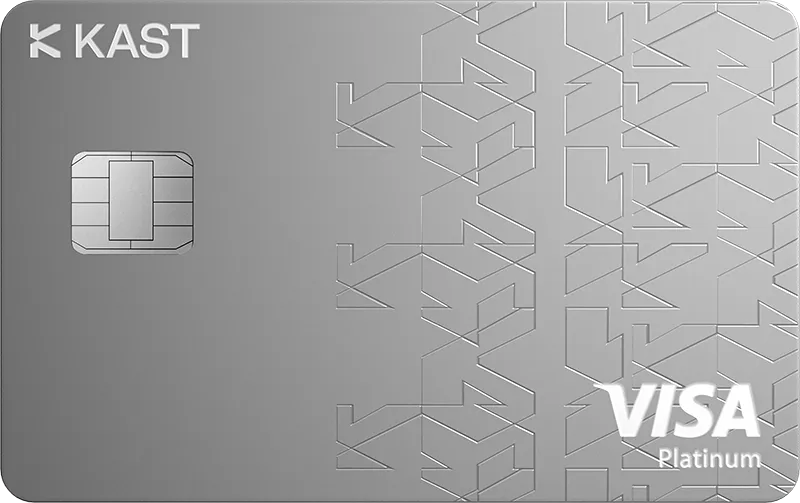
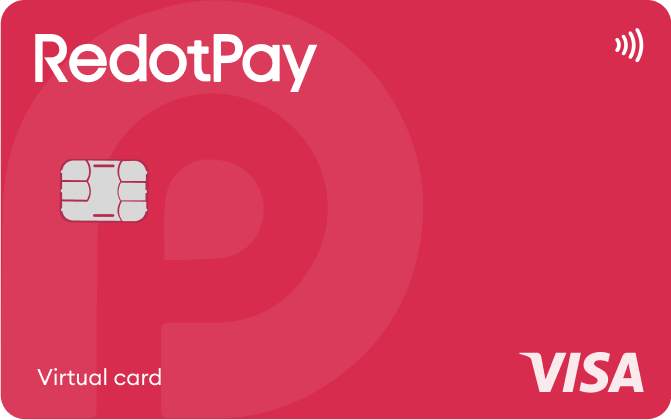
| CARD PROFILE | Rewards · first band | Foreign-currency fee | Maintenance / subscription |
|---|---|---|---|
| KAST K Card | 1.5% USD on first $2,000/month | 0.5–1.75% on non-USD payments | $0/year membership |
| KAST K Card · Regional and transaction eligibility applies. Non-USD purchases under $25 add $0.10; points are separate from cash rates. | |||
| RedotPay Virtual | Standard cashback unspecified; Pro separate | Check purchase FX in app; ATM rate is separate | Card $0/year; optional Pro and personal funding-account fees separate |
| RedotPay Virtual · Issuance payment is not spending balance. Purchase FX could not be reverified from the readable public fee page. | |||
Fee and reward sources
Fees · 1 Sep 2026 ↗Reward redemption ↗
K Card ↗
Membership plans ↗
Official terms · 2026-09-08 ↗
Official terms · 2026-09-08 ↗
Virtual issuance ↗
Physical issuance ↗
Card overview ↗
Current fee schedule ↗
Pro / normal card costs ↗
Currency and conversion fees ↗
Official terms · 2026-09-08 ↗
RedotPay — explicitly no card management, monthly or annual fees ↗
Personal funding account — separate annual maintenance conditions ↗
Published terms for these plans. Read the card profiles for caps, reward forms and other costs.
Compare cards ↗Official sources
An editorial guide based on official materials, not a report of a payment test or an individual approval.