 Spain
 Mexico
 Brazil
 Poland
 Taiwan
 Philippines
 South Korea

The essentials
- Payment currency is different from screen language.
- Compare the rate, added charges and total debit on the same basis.
Start with who converts
DCC is an offer to convert a payment at the merchant or ATM. Mastercard distinguishes this from paying in local currency and leaving conversion to the card side. A familiar currency label does not establish an equal cost. Start by identifying the transaction currency that will appear on the receipt.
Two fictional €100 receipts
Suppose a €100 purchase is funded in dollars. Route A has a final debit of $112; route B costs $108 plus a separate $2 fee. B therefore totals $110, or $2 less in this example. These are invented figures, not current exchange rates or card terms. Compare the final debit for the same purchase, rather than a single rate on a screen.
Three checks before choosing
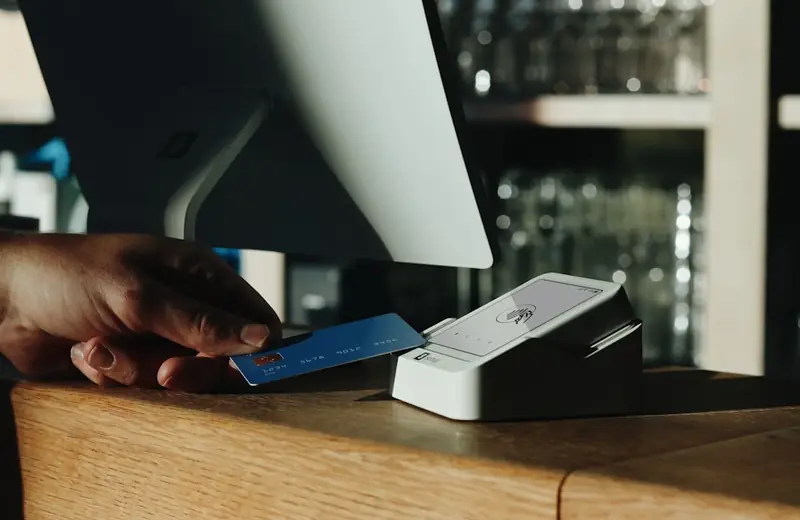
Visa calls for disclosure of the amounts, conversion rate and extra charges, with a choice for the cardholder. Check the screen, your card’s foreign-payment fees and the final receipt together. For a crypto card, also distinguish the currency of the displayed balance from the payment currency. Keep the receipt and contact the issuer if the transaction used a currency you did not choose.
Official sources
An explanation of financial mechanics based on official sources. Hypothetical calculations are not actual trading results or forecasts.