 Spain
 Mexico
 Brazil
 Poland
 Taiwan
 Philippines
 South Korea

The essentials
- A QR code does not certify the seller’s identity.
- Check the destination and the final recipient and amount separately.
One sticker, a different destination
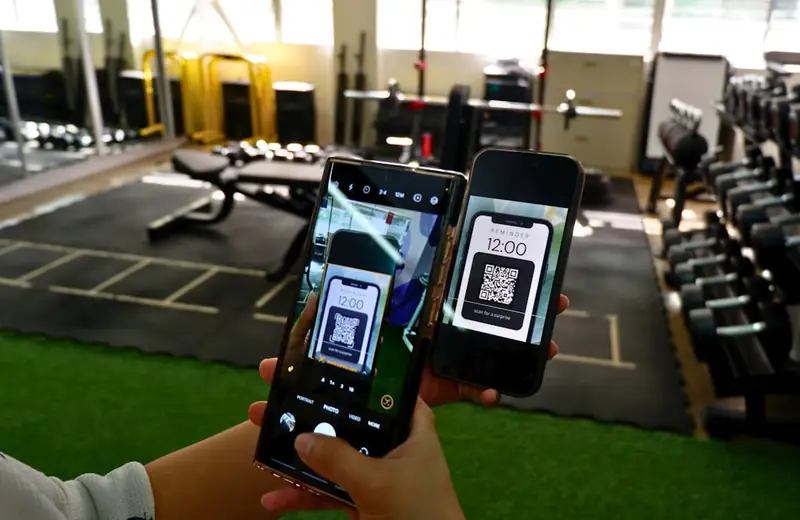
The US FTC has warned about replacement QR stickers leading to fake payment sites. That does not make every QR payment unsafe. The useful distinction is that a square pattern does not identify its operator. In an unfamiliar place, first establish who operates the service and what payment method they advertise.
A fictional parking scenario
Imagine a parking sign names operator A, but the QR opens a page branded B. B might be a legitimate processor, so a different name alone does not prove fraud. A matching logo also proves little. Check the relationship using the operator’s independently obtained contact details or an app you already know, before entering payment details.
Then check the recipient
On the final approval screen, match the merchant, recipient, amount and currency to your purchase. Pause if the address looks wrong or the flow unexpectedly asks for a login or installation; return through the official route. If you already disclosed payment details, promptly contact the issuer or payment service through its official channel. Avoid sharing card numbers or verification codes in evidence screenshots.
Official sources
An explanation of financial mechanics based on official sources. Hypothetical calculations are not actual trading results or forecasts.