 Spain
Spain Mexico
 Brazil
 Poland
 Taiwan
 Philippines
 South Korea

The essentials
- Separate authorization holds, settled charges and refunds before diagnosing a problem.
- Check card freezing, wallet permissions and merchant cancellations separately.
- After refunds, reconcile credited assets, reward reversals and any borrowing balance.
What self-custody actually describes
Mastercard’s MetaMask launch explanation shows that a self-custody wallet can coexist with a card dispute process. Separate “who holds the keys?” from “who authorizes payments and resolves problems?” Being able to recover a wallet does not by itself let you reverse a merchant charge or remove a card suspension.
Map the money in four steps
For a hypothetical wallet-linked card, draw wallet → permitted payment access → card processing → merchant receipt. A preloaded card may add a service-held balance between those steps. Beside each stage, write the controlling party, spending limit and route for withdrawing unused funds. This exposes the practical structure behind a broad brand description.

Check card controls and wallet permissions separately
For a lost card, locate freezing controls and support inside the official app. Review wallet approvals separately. Ask which transactions a freeze blocks and how already-authorized payments are handled. Do not provide a recovery phrase to obtain a refund; reopen support through the official app if a message asks for one.
Build a refund or dispute record
If a hypothetical $25 purchase appears twice, save both timestamps, merchant names, pending or settled status, and the receipt. Record the merchant’s response for an order problem; promptly report an unrecognized charge through official card support. Verify the applicable deadline and eligibility in your agreement and country. Filing a dispute does not promise a refund.
When the balance looks wrong, separate a hold from a charge
Consider an invented hotel example: a $100 authorization and a later $80 final charge appear together. That alone does not prove $180 was finally paid. First establish whether the original $100 is still a pending hold or whether both entries are settled charges. A hold reducing your available spending balance is a separate practical issue even when it is not a second final payment.
Save the merchant name, timestamps, transaction identifiers and status labels such as pending, completed or reversed. Ask support which entry is a hold, when its release is expected and what follow-up applies. The example promises no provider’s release deadline; it gives you the distinctions needed to obtain and check the provider’s actual explanation.
Freezing, revoking permissions and cancelling are different jobs
One card-lock button does not also settle wallet permissions and merchant subscriptions. MetaMask documents card freezing and token-access management as separate controls. Write down the wallet’s spending authorization, the card’s ability to pay and the recurring-payment agreement with a merchant as three separate records. That clarifies which control you are trying to exercise.
The table is our practical checklist for avoiding confusion. Do not treat revoking an allowance as reversing an already-completed purchase. MetaMask’s general spending-cap revocation requires a network transaction and can require gas. Confirm the relevant token and network in the official interface, and separately retain the merchant’s cancellation confirmation for any service you intend to stop.
| Action | What to check | Do not assume it also means |
|---|---|---|
| Freeze card | Card payment status | Merchant contract cancelled |
| Revoke token access | Asset, network, allowance | Past purchase reversed |
| Cancel subscription | Merchant cancellation receipt | Wallet permission revoked |
| File dispute | Case ID, evidence, deadline | Refund approved |
An unrecognized charge and a missing delivery need different starts
If you suspect a charge you did not authorize, do not place it into a routine that waits days for a merchant reply. Mastercard advises contacting the issuing financial institution immediately for suspected fraud. Locate official card-freezing controls and report through the official support route, asking whether replacement or additional protection is needed. Do not assume a search advertisement or private-message link is the support desk.
For a purchase you made but did not receive, retain the order and seller’s response. Record the order date, promised delivery date, when the problem arose and the remedy requested. Confirm deadlines and required documents for your agreement and region; one invented universal dispute deadline would be misleading.
After a refund notice, reconcile the destination balance
Resolution ends with reconciling actual records, not simply receiving a notification. Check the refunded amount, credited currency or asset, destination account, any reversed rewards and remaining costs separately. Do not assume the exact token quantity spent will return. Put the receipt, final charge and refund together to see whether their conversion and settlement records match.
Borrowing adds another ledger. Ether.fi explicitly separates Borrow Mode refunds from repayment, so a refund notification should not be read as debt being cleared. Keep the terms saved at application, relevant guidance at the time of the problem, case number and support responses together. This makes follow-up easier to explain. It is a method for establishing facts, not a process that guarantees a successful refund.
Compare the cards in this story
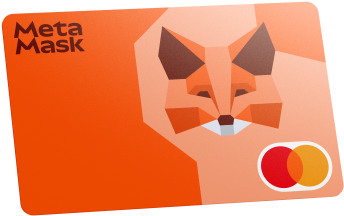
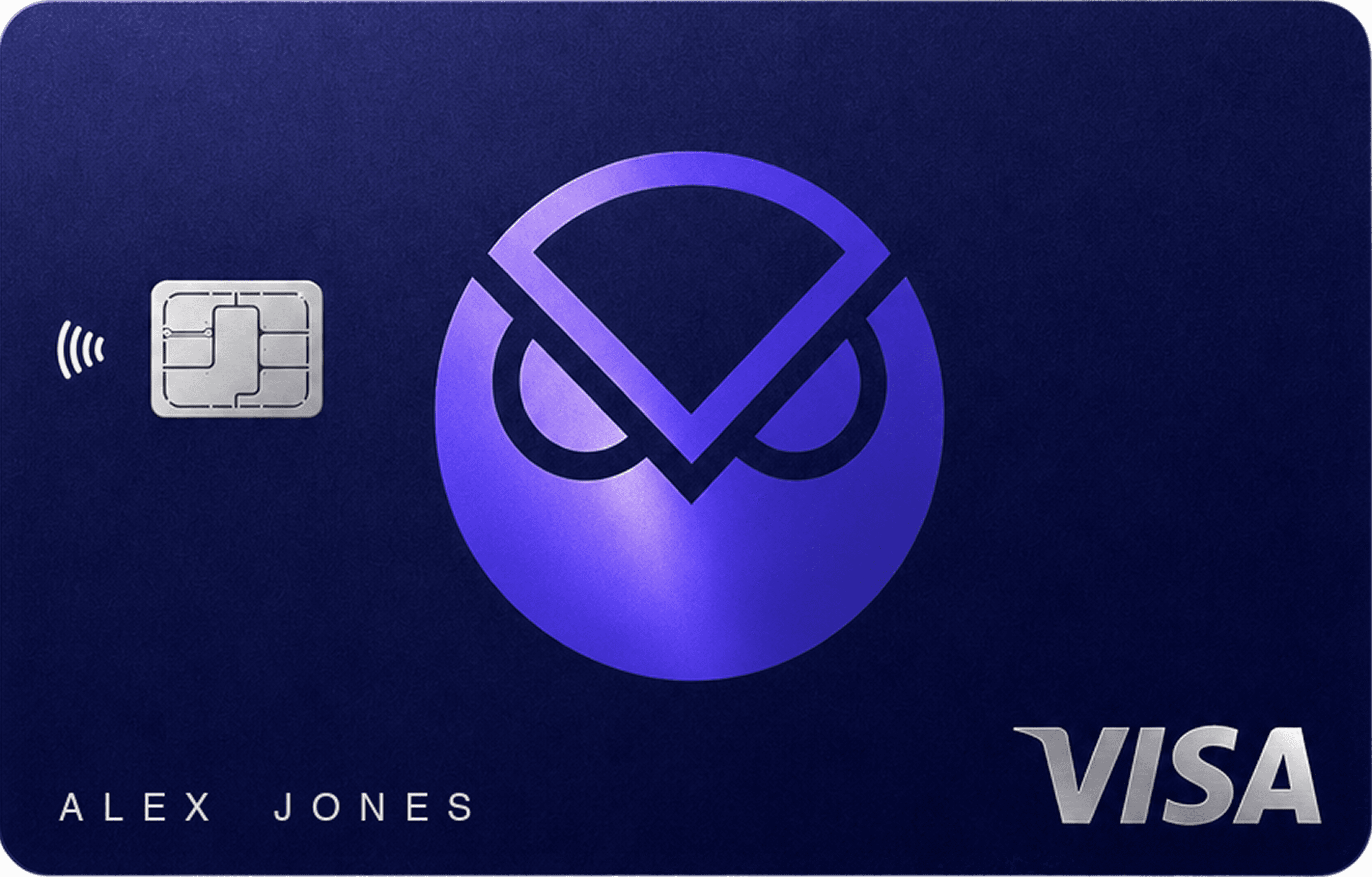
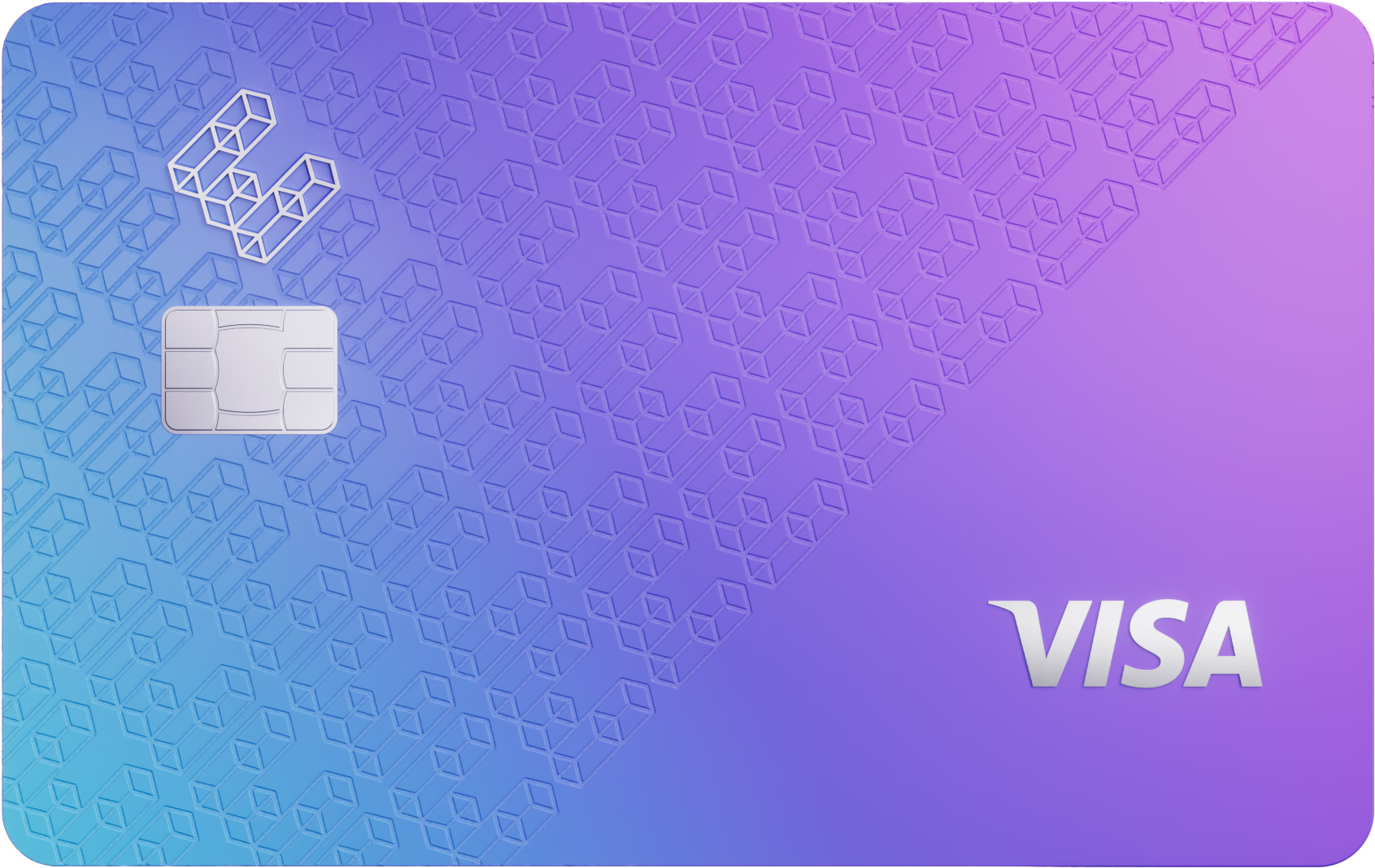
| CARD PROFILE | Rewards · first band | Foreign-currency fee | Maintenance / subscription |
|---|---|---|---|
| MetaMask Virtual Card | 1% mUSD on eligible spend | 1% foreign-merchant fee; token costs separate | Free-tier annual fee $0 |
| MetaMask Virtual Card · New US/UK signups remain paused. Alongside 1% for foreign merchants, some stablecoins cost 0.5%, other crypto such as wETH 0.875%, and network gas can apply. | |||
| ether.fi Cash Core | 3% on first $2,000/month eligible spend | Base FX ~1% + 0–0.5% margin | Membership $0/year; issuance, shipping and usage costs separate |
| ether.fi Cash Core · Core entry tier. Standard monthly spend earns 1% after $2,000 and 0.5% after $3,000; EUR bands differ. | |||
| Gnosis Pay Card | 1–4% with GNO; up to 5% with OG NFT · until Sep 30 | 0% added Gnosis Pay FX; Visa rate | Amount not stated in reviewed official sources |
| Gnosis Pay Card · Interim GNO-holding rewards of 1–4% run through 2026-09-30 with weekly spend caps. Check your account's Safe migration and recovery notice before funding. | |||
Fee and reward sources
Current FAQ ↗Fees ↗
Free virtual card ↗
Current eligibility ↗
Core · Membership ↗
Cashback bands ↗
FX fees ↗
EUR purchases ↗
Virtual-card exceptions ↗
Membership benefits ↗
Official terms · 2026-09-08 ↗
Current cashback programme ↗
Fees ↗
Residency countries ↗
Self-custody ↗
Official terms · 2026-09-08 ↗
Published terms for these plans. Read the card profiles for caps, reward forms and other costs.
Compare cards ↗Official sources
An editorial guide based on official materials, not a report of a payment test or an individual approval.
Official sources · 9
Mastercard: self-custody and card dispute processes in its MetaMask launch explanation ↗FTC: identifying MetaMask impersonation and phishing messages ↗
MetaMask: recovery phrases must never be given to support ↗
CCPC: disputed card transactions and chargeback ↗
MetaMask: card controls and transaction history ↗
MetaMask: managing and revoking spending caps ↗
Mastercard: consumer support and suspected fraud ↗
ether.fi: Direct Pay and Borrow Mode ↗
RedotPay: Pro rewards, restrictions and expiry ↗