 Spain
Spain Mexico
 Brazil
 Poland
 Taiwan
 Philippines
 South Korea

The essentials
- Match the token and network at both ends.
- Check the credited minimum after sending fees.
- Confirm spendable card balance before planning a purchase.
Read the receiving screen first
Suppose a Davao contractor holds USDC from a client and wants to fund an upcoming online purchase. Start in the destination app, selecting the asset and supported receiving network. Then inspect the sending wallet or exchange. Seeing USDC on both screens is insufficient if their network choices do not match.
For RedotPay, the current Deposit screen governs supported assets, networks and minimums. Choose a matching route that is available at both ends. Do not substitute USDT because its name looks familiar, or select a cheaper network without checking the destination. Copy the address from the current receiving screen and verify it after pasting.
Choose a small amount that will actually credit
A test transfer should be small enough to limit exposure but large enough to satisfy the receiving minimum after fees. As a hypothetical calculation, a 5-unit minimum and a 1-unit fee deducted from a 5-unit withdrawal would leave only 4 units arriving. That is a planning example, not either provider’s published minimum.
Bitget Wallet APAC card funding uses the card’s Top up flow; consult the token choices shown there and keep the required native network asset for gas. A token visible somewhere in a wallet is not automatically card balance. Avoid adding a bridge or exchange step until you understand its separate destination, cost and confirmation.
Close the loop from transfer to usable balance
Record the asset, network, quantity sent, fee, destination address and transaction hash before leaving the transfer record. Then compare the amount credited in the receiving app. For card funding, verify the spendable card balance as well. A blockchain confirmation and an available payment balance answer different questions in your purchase plan.
If the credit is missing, inspect the existing transfer before sending another. Use the official support route with the transaction hash and network; recovery from an incorrect route should never be assumed. Keep the purchase on a familiar payment method until funding is resolved, especially when the order has a Philippine delivery deadline. For repeat funding, open the receiving instructions again; an old successful transfer is a reference, not a permanent network guarantee.
- Before sending: match asset, network, address and any additional fields requested by the receiving app.
- Before confirming: check the withdrawal fee, net arrival amount and receiving minimum together.
- After sending: retain the hash and reconcile both the received funds and card balance.
Compare the cards in this story
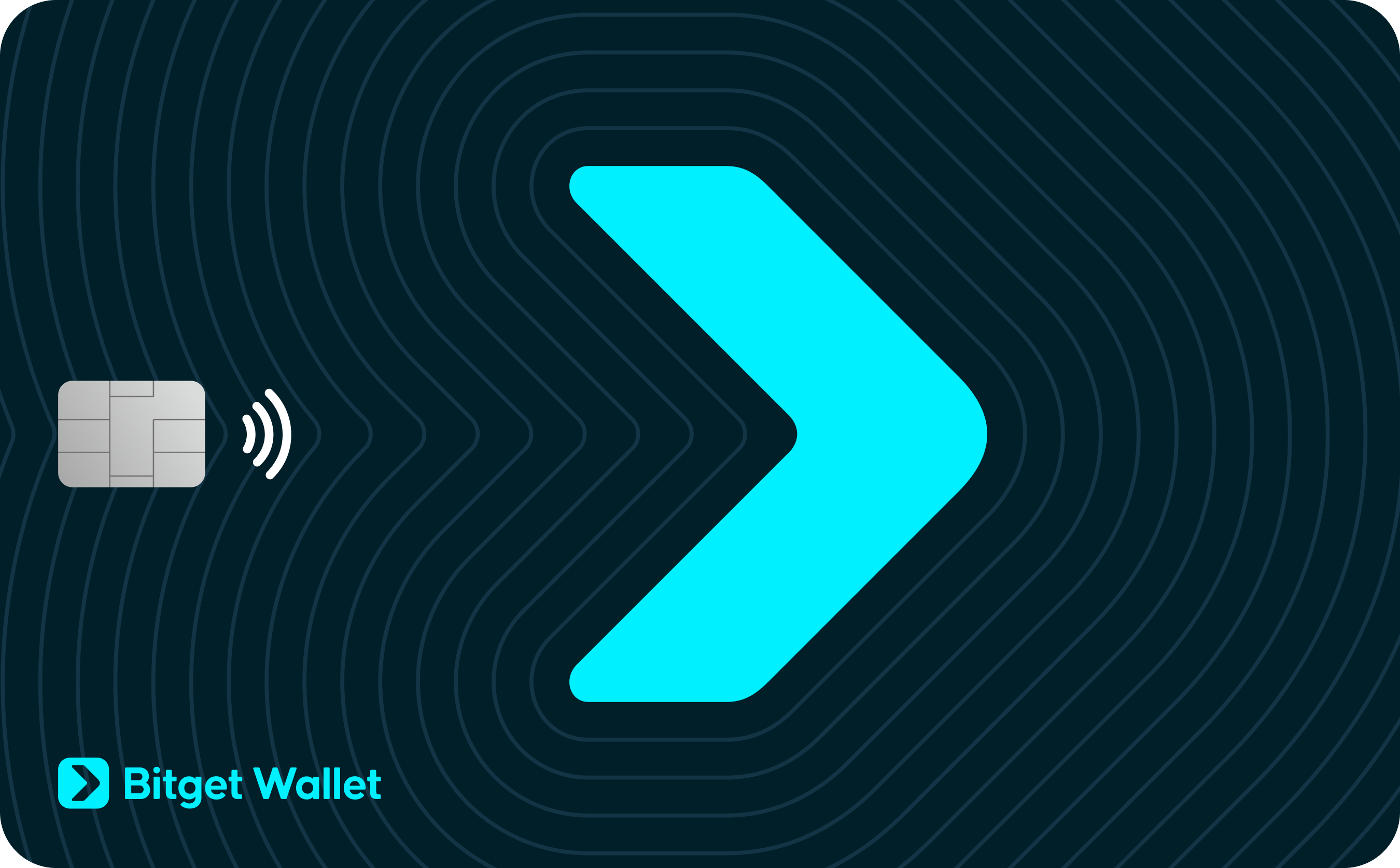
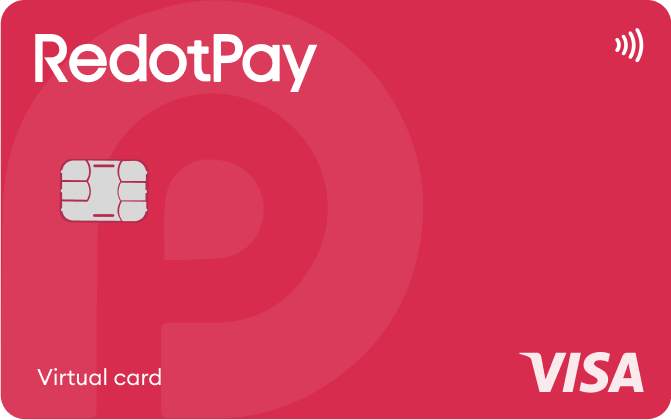
| CARD PROFILE | Rewards · first band | Foreign-currency fee | Maintenance / subscription |
|---|---|---|---|
| Bitget Wallet Card | 2% base assetback; 3% when qualified | APAC: 1.7% FX + 0.05–0.2% conversion | No annual fee |
| Bitget Wallet Card · Unused APAC top-ups cannot be withdrawn. Non-USD payments add 1.7% FX plus about 0.05% conversion; LATAM/Africa Apple Pay enrollment is paused. | |||
| RedotPay Virtual | Standard cashback unspecified; Pro separate | Check purchase FX in app; ATM rate is separate | Card $0/year; optional Pro and personal funding-account fees separate |
| RedotPay Virtual · Issuance payment is not spending balance. Purchase FX could not be reverified from the readable public fee page. | |||
Fee and reward sources
Bitget Wallet — Card overview ↗APAC identity and residence eligibility ↗
APAC preloaded card balance ↗
Bitget Wallet — APAC fees ↗
Bitget Wallet — Europe and Latin America activation ↗
Bitget Wallet — Assetback rewards and redemption ↗
Official terms · 2026-09-08 ↗
Virtual issuance ↗
Physical issuance ↗
Card overview ↗
Current fee schedule ↗
Pro / normal card costs ↗
Currency and conversion fees ↗
Official terms · 2026-09-08 ↗
RedotPay — explicitly no card management, monthly or annual fees ↗
Personal funding account — separate annual maintenance conditions ↗
Published terms for these plans. Read the card profiles for caps, reward forms and other costs.
Compare cards ↗Official sources
An editorial guide based on official materials, not a report of a payment test or an individual approval.