 Spain
 Mexico
 Brazil
 Poland
 Taiwan
 Philippines
 South Korea

The essentials
- Paleng-QR Ph focuses on everyday shops and local transport.
- QR Ph supports compatibility between participating banks and wallets.
- The 1,566-LGU figure is not a count of accepting merchants.
The everyday purchase is the point
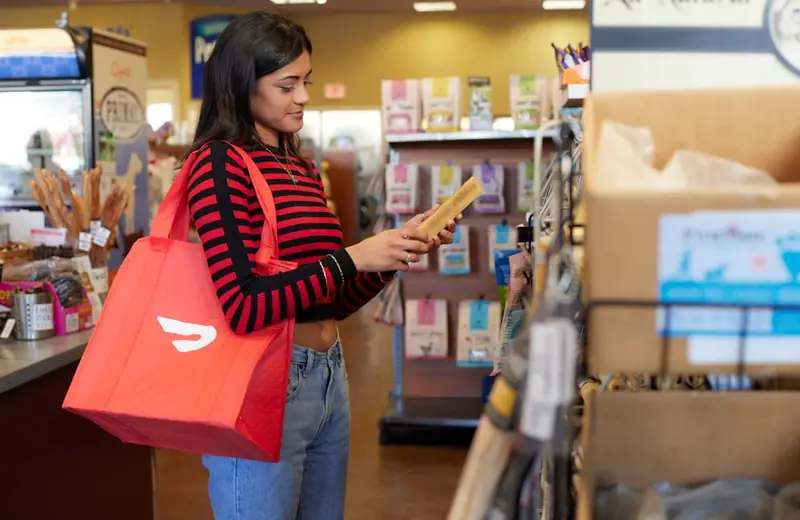
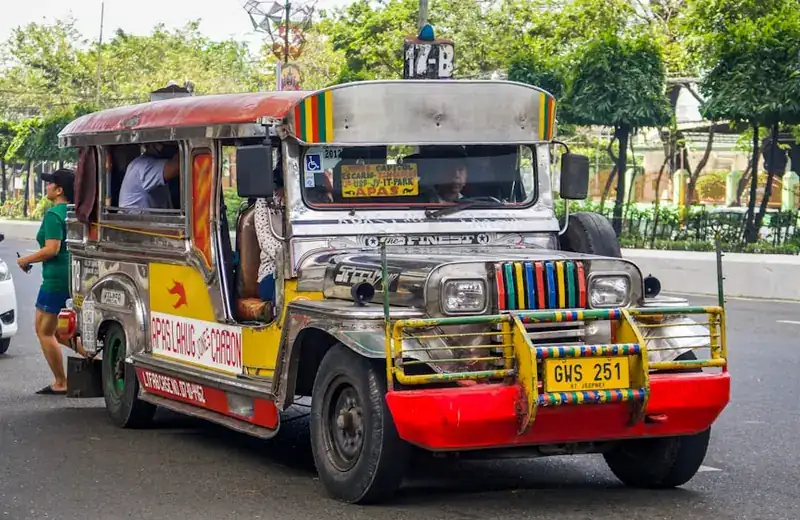
Digital payments often bring large online shops to mind. The Philippines’ Paleng-QR Ph program instead puts public-market purchases and local transport, including tricycles, near the centre of the story. Jointly developed by the central bank, BSP, and the Department of the Interior and Local Government, it treats everyday payments as an entry point into digital finance. The practical question is whether a familiar place in someone’s routine can accept a payment.
The Plus branding, introduced in November 2022, reflects a broader group of businesses beyond market vendors and tricycle operators. It is not the name of a new coin or a stand-alone international card. Thinking of it as a local effort to help merchants obtain transaction accounts and accept QR payments makes the purpose much clearer.
One standard, participating payment providers
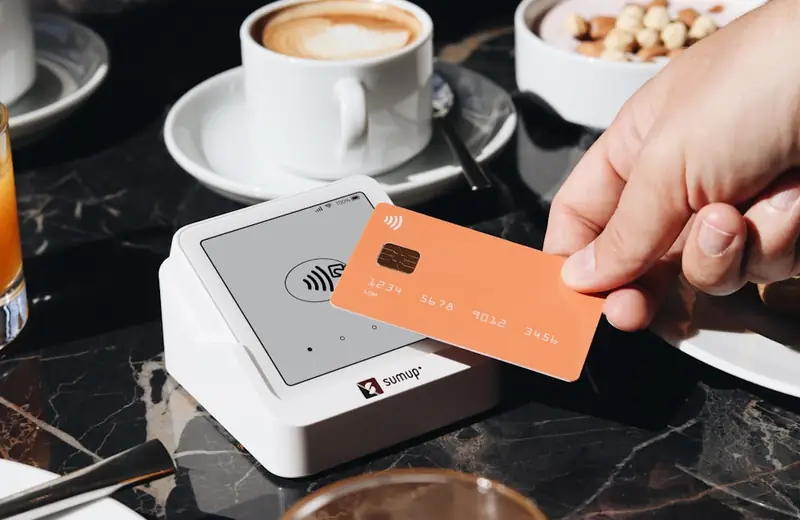
BSP’s official FAQ describes QR Ph as a national standard intended to let payments work between different banks or wallet providers. That addresses the inconvenience of a buyer and seller needing the same brand. However, interoperability means compatibility among participating services with the relevant capability. It is not a promise that every QR-reading wallet in the world can send money to every QR displayed in the Philippines.
For a visitor, card acceptance and an account-based QR payment are separate checks. Owning an international card does not establish that your app supports QR Ph. Verify the payment route and recipient shown by your own service rather than guessing from a sticker. This distinction does not establish a visitor’s eligibility to open a local account.
Read the local-government number carefully
The program page reports 1,566 enjoined or participating local government units as of 31 July 2026. It also describes coverage extended through 54 provinces, the Metro Manila Council and regional development councils. The page was modified on 20 August; we checked it on 11 September. Replacing the snapshot date with our checking date would incorrectly suggest the number measures a later period.
More importantly, the unit is a local government, not a merchant, a completed payment or a fully converted market. Check current acceptance at the actual stall you intend to visit. Our interpretation is that policy reach and usable acceptance at a checkout are different measures of progress; confusing them makes adoption look more complete than the evidence demonstrates.
What has to happen after the sticker arrives
The official FAQ describes local-government help with account-opening events and financial education, with participating providers supplying assistance booths and QR materials. A shared technical standard alone does not finish that work. In practical terms, a merchant still needs to understand the incoming payment, a customer needs to verify the recipient, and both need a known route for questions when something goes wrong.
For an illustrative market visit, check the basket price and the final debit, and keep another payment option when connectivity or acceptance is uncertain. There is no reason to assume every QR payment is free or always succeeds. The interesting change is how an ordinary purchase can reshape someone’s financial routine, one familiar transaction at a time.
Official sources
An explanation of financial mechanics based on official sources. Hypothetical calculations are not actual trading results or forecasts.