 Spain
Spain Mexico
 Brazil
 Poland
 Taiwan
 Philippines
 South Korea

The essentials
- Choose USDC and the network in the receiving app
- Size a small test above the displayed minimum
- Confirm card availability after the chain completes
Choose USDC and the network in the receiving app
When moving USDC you already hold for EUR purchases in Spain, begin at the receiving card account’s deposit screen. Bybit EU instructs users to match supported coins and chains. Seeing the same USDC ticker on two services does not establish a compatible route between the accounts.
Compare the exact asset and receiving network with the sender’s available withdrawal network. A familiar-looking address does not make different chains interchangeable. If the receiving route is absent, stop and resolve that incompatibility before selecting a cheaper network or copying an address from an earlier transfer.
Size a small test above the displayed minimum
Read the receiving screen’s minimum, memo requirements and deposit status, then check the amount arriving after the sender’s withdrawal charge. A tiny test below the displayed minimum may fail to test the route usefully. Set the test size from those conditions, not an arbitrary universal amount.
Copy the address from the live receiving app and compare it after pasting. Include the specified memo only when required, and complete any requested wallet verification through the official flow. Record the date, network, amount sent and expected amount received before approving the test withdrawal.

Confirm card availability after the chain completes
Save the transaction hash and inspect both the chain status and the app’s deposit record. Bybit EU defaults deposits to Funding Account but permits a different automatic destination. Money visible in a trading account is therefore not sufficient evidence that the card can already spend it.
After credit, inspect Spending Power or your Nexo Debit asset settings, then consider a modest EUR purchase. Keep the final euro debit and USDC quantity consumed. A successful deposit establishes the transfer route; it does not establish that converting dollar-denominated USDC for euro spending has no cost.
- Match receiving USDC and network with the sender.
- Check the test meets the minimum after fees.
- Keep the hash, receiving balance and EUR purchase result.
Compare the cards in this story
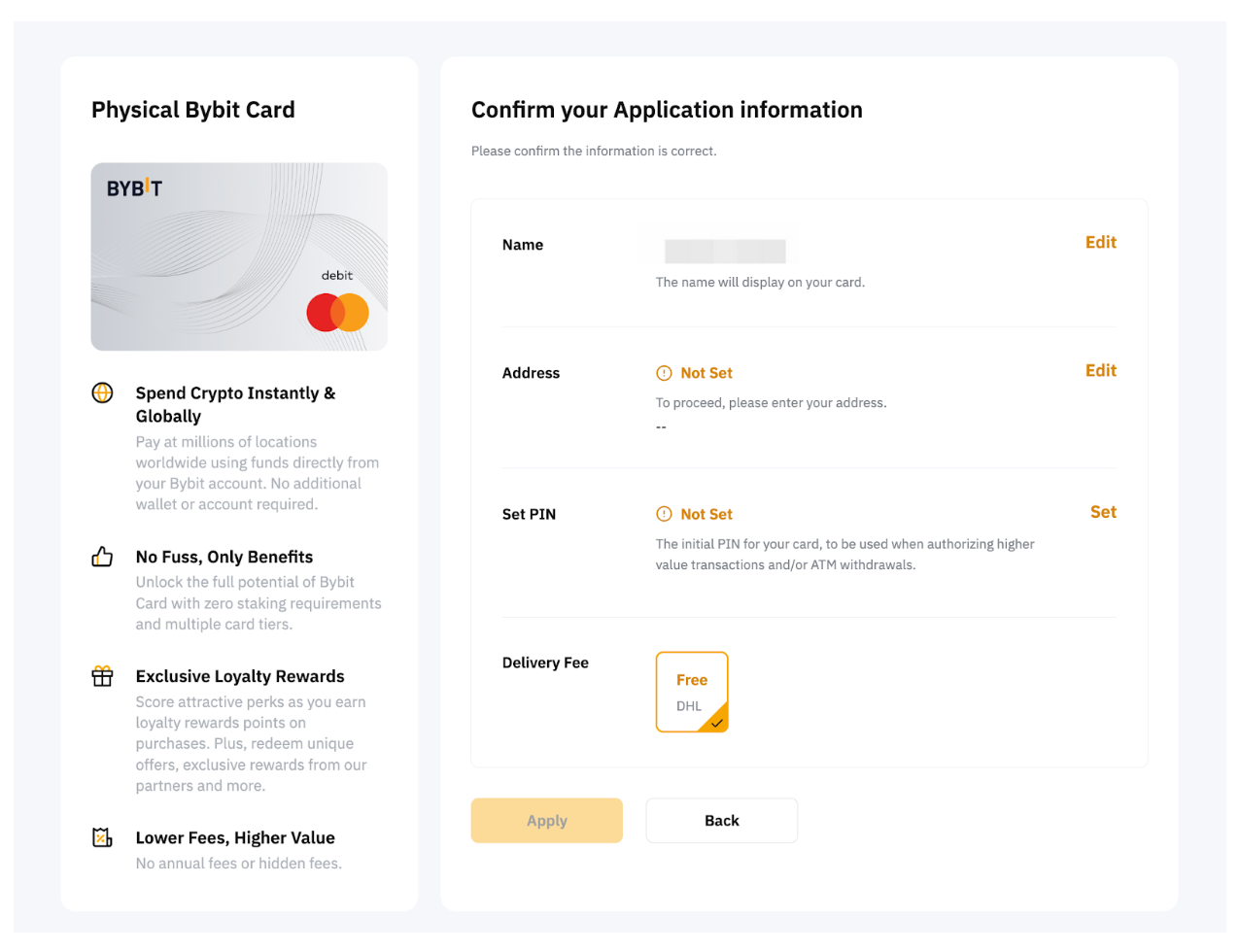
| CARD PROFILE | Rewards · first band | Foreign-currency fee | Maintenance / subscription |
|---|---|---|---|
| Bybit EU Card | Base 1%; no monthly cap | 0.5% non-EUR + 0.9% crypto conversion | No annual card fee |
| Bybit EU Card · Base eligible spend earns 1% without a monthly cap. Higher 2–10% tiers have conditions and caps. Crypto-funded spending adds 0.9% conversion plus applicable FX. | |||
| Nexo Card | 0% Debit Mode | 0.2–2.5% by region/day | No card annual fee |
| Nexo Card · Credit Mode rewards are separate. FX is 0.2% weekdays/0.7% weekends in EEA/UK/Switzerland, or 2%/2.5% elsewhere. | |||
Fee and reward sources
EU fees and limits ↗Current reward tiers ↗
Rewards FAQ ↗
Official terms · 2026-09-08 ↗
Card fees, modes and eligibility ↗
Issuance and limits ↗
Official terms · 2026-09-08 ↗
Published terms for these plans. Read the card profiles for caps, reward forms and other costs.
Compare cards ↗Official sources
An editorial guide based on official materials, not a report of a payment test or an individual approval.